Habitat Conservation Work
Wilderness protection’s principle is to properly preserve the natural ecological environment, conserve habitats, and participate in the environment agenda. That can become the most precious asset left to the future. Although Wildlife conservation is now more common than before, the population thinks that they are insignificant. They don’t have any power to change the damage to ecology. Therefore, how to let everyone transform the beautiful natural into actions to protect the environment. It’s the most important mission that wilderness presents.
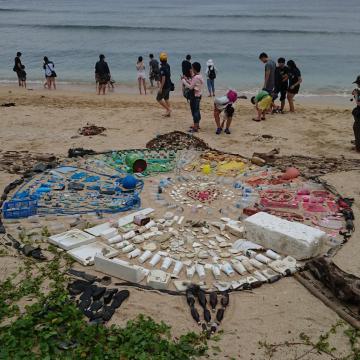
Plastic-Free Ocean
Taiwan is surrounded by the sea, and coastal residents are proud of their unique natural resources and convenient living environment. However, offshore fisheries are facing depletion, marine debris is polluting the sea, and the coastal ecosystem has also undergone tremendous changes. According to statistics from beach cleaning data over the past few years, about 80% of marine waste is “disposable plastic products” that cannot be decomposed by organisms. Among the waste are fishing and aquaculture equipment such as Styrofoam floats, fishing nets, fishing lines, buoys, aquaculture equipment, plastic bags, plastic straws, plastic bottles, and cans. Plastic caps for daily life and medical waste, such as plastic syringes and hoses. If you look closely at the fine sand on the beach, you can see that after being exposed to the sun and washed by sea water, plastic waste has been broken down into plastic particles that are difficult to separate and pick up.
According to research by experts and scholars, plastic waste and plastic particles have become objects marine animals accidentally ingest. It’s also one of the causes of death for marine animals. Therefore, continues the cleanliness of the ocean and the health of the marine habits. Also, preventing plastic waste from entering the ocean is a necessary environment protection.
By observing the problem of ocean waste problem. In addition, plastic’s material are difficult to decompose, the amount of waste is also the main reason for the flow of materials into the ocean.
Therefore, to promoting plastic reduction at the source, we should promote zero-waste living by removing the root of the problem. Examples like promoting environmental protection policies that promote resource recycling, the reuse of daily necessities and circular economy. Hoping one day we can return to the appearance of a clean ocean.
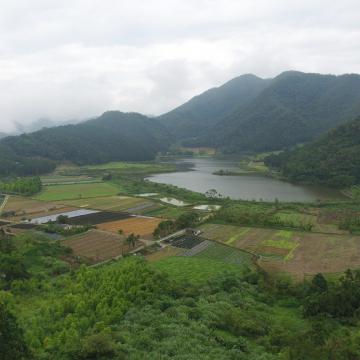
Sustainable Forest
Although Taiwan isn’t large in area, it has many mountains with overlapping green peaks. Rivers often originate in the mountains and flow along the mountainside, transporting nutrients and regulatory factors to cities and oceans along the rivers. In the mountains and forests, there live many rare treasures of Taiwan, including various animals, plants and other small fungi and algae. Each creature is a treasure of this island and a treasure of the Taiwanese people from generation to generation. Protecting every treasure on the island so that generations of Taiwanese people can share this land with these creatures, “sustainability” is an important goal. Taiwan has a high level of ecological diversity. From mountains to cities to oceans, each ecosystem has its uniqueness and importance and is also the habitat of a wide variety of organisms. Protecting the natural environment, in addition to protecting the homes of organisms, also plays an important role in regulating the climate, purifying the air and water, conserving water resources, and preventing floods. Therefore, protecting Taiwan’s natural environment and the animals and plants that live there is one of SOW’s important missions. Environmental protection is a long-term life practice process. It is about understanding Taiwan and protecting Taiwan’s treasures. It allows every person and group living in Taiwan to become a participant in environmental protection and an actor who cares about and protects Taiwan in the long term.
Ecosystem-City
Cities came into being because of economic development. Therefore, cities have become areas with developed transportation, dense populations, many buildings, and intensive industry and commerce. Correspondingly, cities will also face difficulties such as reduced green space, heat island effect, pressure on sewage and garbage disposal, and insufficient crops. Cities are located between the natural environments of mountains, forests, and oceans. If the urban ecology is well maintained or preserved, not only will the people living in the city have a relatively high degree of stability in environmental factors, but some organisms can also find habitats or temporary shelters along ecological green corridors from mountains, forests or oceans as the seasons or weather change, thus increasing the ecological diversity of the city. Therefore, the operation and management of cities can be considered from the perspective of ecosystems, so that cities can be more ecological and planned and managed towards the concept of sustainability, reducing the unfavorable factors caused by population concentration and economic development in cities, and people living in cities can also enjoy the joy and fun of being in nature.
Although the boundaries of cities have gradually become blurred due to the development of transportation today, the degree of ecologicalization can still be estimated by comparing the input cities and the waste generated by the cities. For example, agricultural products have to rely entirely on other counties and cities to be imported into urban areas, and waste water cannot be completely treated and is discharged into rivers, which means that there is still room for improvement in the operation and management of cities. In addition, air pollution, waste problems, and the inability to relieve the stress of modern people’s lives can also be slightly alleviated due to the degree of ecologicalization of the city. Humans live in harmony with all things and share nature. Urban areas should strive to operate in this direction. Therefore, making urban operations more sustainable will benefit urban residents. In promoting the ecological direction of natural ecological parks, we are committed to expanding social participation, enhancing people’s environmental awareness, driving the shift of environmental paradigms, and advocating park ecological actions: reducing cementation, increasing green space, reducing alien species problems, increasing green coverage, creating diverse biological habitats, protecting biological habitats, zoning management and utilization of ecological parks, connecting urban parks into complete ecological corridors.
Eco-cities can be promoted in the following directions:
- The city’s water resource management, sewer connection rate, sewage treatment and discharge should comply with the principles of ecological sustainability.
- The city’s food production, material supply, resource recycling and waste disposal should be designed towards the goal of urban self-sufficiency.
- Urban energy use should be planned towards energy conservation and reduction of external supply
- The construction and preservation of the urban ecosystem should be designed towards a resilient city, with the principle of maintaining the highest natural landscape.
Each city in Taiwan has its characteristics and unique advantages in terms of geographical conditions, and has good environmental resources. If there is good urban planning, the overall environment may not be able to change, but it can be gradually improved. For this reason, the Association takes Ecosystem City as its direction, hoping to form another gentle and firm civil force through actual “demonstration and results” by combining with public departments, communities, and enterprises, to gradually improve the quality of urban life and enhance community identity, and move towards the vision of Ecosystem City.
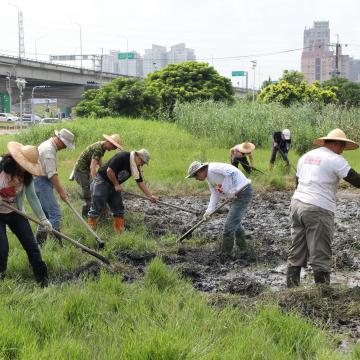
Environmental Education
The nature experience activities of the Society of Wilderness go beyond traditional tours. Rather than just providing information, these activities encourage people to fully engage with nature. Participants don’t just listen—they explore, interact, and share their experiences. The goal is to foster a deeper bond between people and the natural world, as well as with each other and themselves. The Society of Wilderness believes that the most meaningful way to learn isn’t through lectures, but through direct experiences in nature, where the beauty and wonder of the environment speak for themselves.

Operation Ocean Guardian
Taiwan is blessed with a unique geographical location, where the nutrient-rich Kuroshio Current flows past, coupled with diverse landscapes and a warm climate. This makes our small island home to a rich coastal ecosystem. However, many people still have limited understanding of the coastal and marine environments, and yet, the pollution caused by our daily activities, economy, and recreation often ends up impacting these very ecosystems. Every year, The Society of Wilderness organizes marine advocacy activities to help people connect with the ocean and understand the challenges it faces.

Educational Outreach
Nature experience activities are a key way the Society of Wilderness promotes environmental education. Guides and volunteers regularly observe nature at specific locations, documenting the changes that come with each season. They also organize various one-day or overnight outdoor activities at these sites. Every year, the Society hosts hundreds of nature experiences across Taiwan, aiming to bring people closer to nature. Through the guidance of their team, participants not only learn about nature, but also connect with it, developing a genuine love and appreciation for the environment, and feeling inspired to protect it.
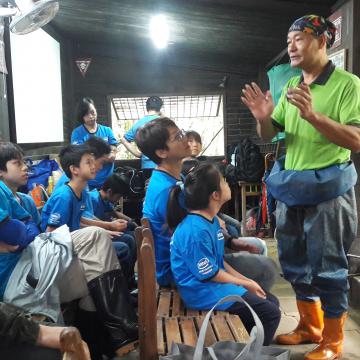
Environmental Education Centers
The Society of Wilderness has always been committed to the mission of “habitat conservation.” By purchasing, long-term leasing, accepting donations, or being entrusted with management, they secure the responsibility of protecting and nurturing natural areas. Their goal is to let nature thrive on its own, ensuring that these ecosystems are preserved in the best possible way, leaving a precious legacy for future generations to cherish.
Operation Earth Guardian
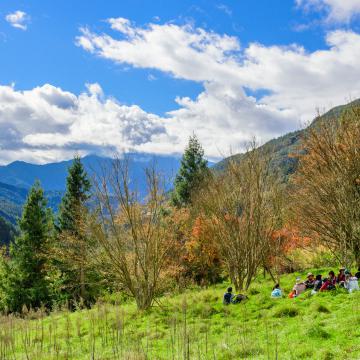
Volunteer Training
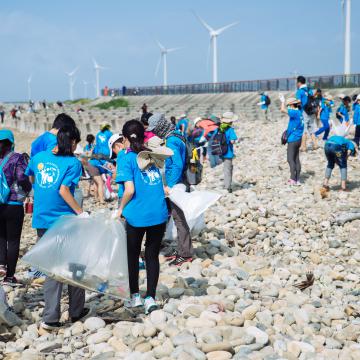
Advocacy Activities
Issue Concern
The Society of Wilderness has long been dedicated to various environmental issues, including wetland and coastal conservation, the preservation of mountains, forests, and rivers, as well as the protection of urban green spaces. The organization strives to safeguard natural ecosystems and promote harmony between humans and the environment.
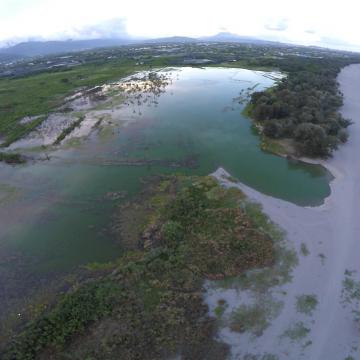
Wetland and Coastal Conservation
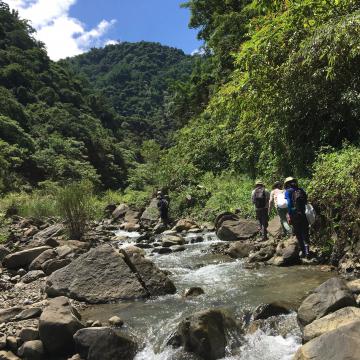
Mountains, Forests, and Rivers